
PHOTO
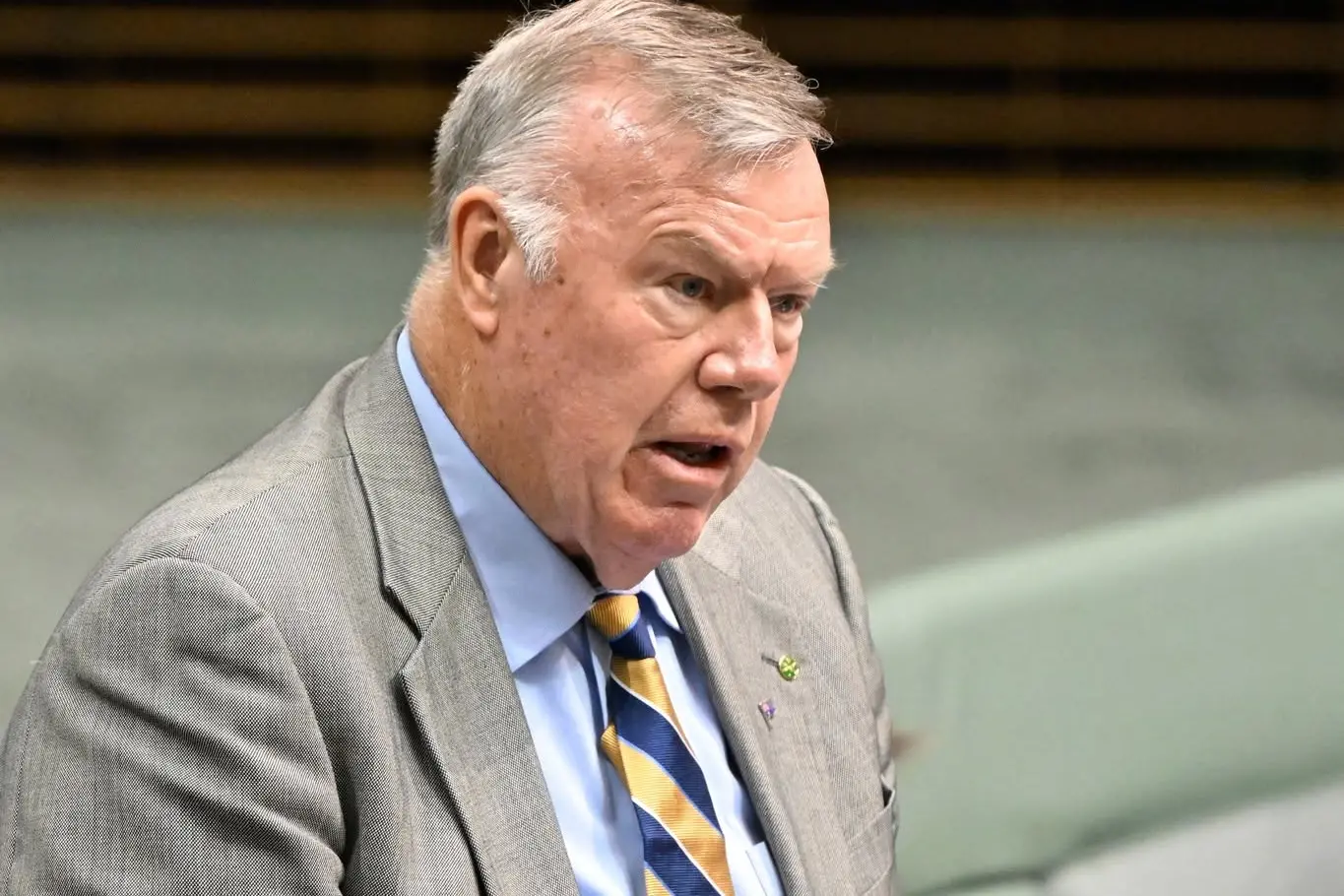
Members speaking during question time in the House of Representatives Chamber
Federal Member for Farrer David Farley is set to execute an audacious and bold move via a parliamentary motion to unlock water for the regions.
The motion aims to bring back productivity and capacity to the regions, proposing putting commonwealth-owned, unused productive water to use.
The Murray Darling Basin 2026/27 productive water initiative aims to activate production, regional economies and Australia’s food security.
It will test a simple but important proposition: can water already held by the commonwealth temporarily generate greater national value by activating food production, employment, processing and regional economic capacity, while still protecting critical environmental requirements.
“We want the constituency and regional commence to be equal to the environment, not in competition,” Mr Farley said.
The proposal aims to be a controlled, transparent and measurable one-season intervention that will not involve the permanent sale or disposal of commonwealth water entitlements.
Under the proposal water will be put to productive use while Australia determines the longer-term direction of its water, food security and national resilience policies.
It outlines pausing further water buybacks until the completion and consideration of the Water Act 2007 review, the 2026 Murray-Darling Basin Plan Review, the Feeding Australia National Food Security Strategy and the inquiry into Australia’s National Civil preparedness and resilience.
As of 31 July, commonwealth environmental water holdings across the Murray-Darling Basin totaled about 3179 gigalitres in registered entitlements and 2200 gigalitres of long-term diversion limit equivalent.
The southern-connected Basin alone accounted for approximately 2399 gigalitres of registered entitlements.
Mr Farley said the move comes as Australia approaches a significant water and food security policy crossroads.
“During the next year, parliament and government will consider major reviews concerning water policy, the Murray-Darling Basin Plan, national food security and national civil preparedness and resilience,” he said.
“The timing of my motion is a unique opportunity – rather than permanently removing further productive capacity while these reviews are underway, Australia can use the 2026-27 season as a controlled national policy trial.
“The initiative can generate real-world evidence for the decisions parliament will be required to make in 2027.”
He said the initiative should not be reduced to a contest between agriculture and the environment.
“Australia requires a water policy capable of considering all dimensions of the national interest,” he said.
“That involves environmental sustainability, food security, food affordability, regional productive capacity, drought resilience and national sovereignty.”
The motion was expected to be presented to the Federation Chamber at Parliament House on Tuesday 15 September.