PHOTO
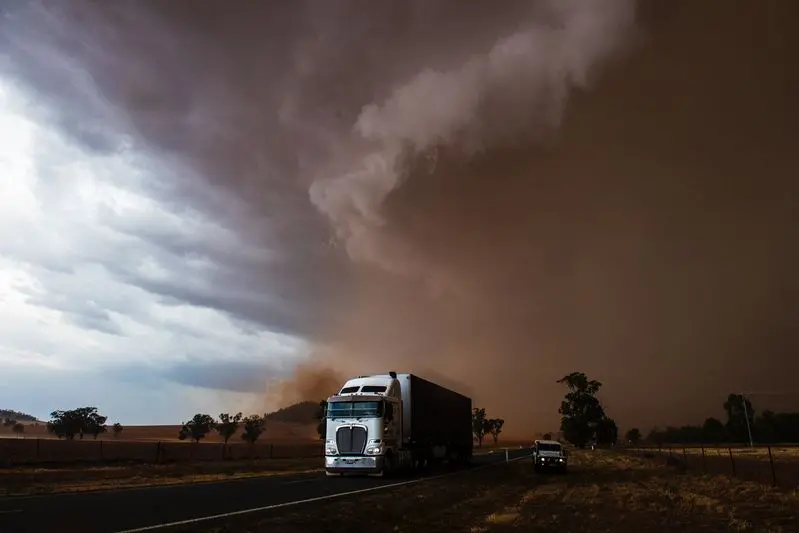
Dust storms are frequent in Australia and can have a large impact on soil resources, the economy and people.
Dust storms are created by wind erosion. They cause soil and nutrient losses to farmers, degrade natural environments, and damage human health and infrastructure.
The cost of dust storms can be large. In September 2009, dust blown from South Australia and New South Wales into Sydney turned the sky red and created a health hazard.
The research article Dust storms – what do they really cost? (CSIRO, 2013) estimates that the storm removed 2.5 million tonnes of soil and directly cost the NSW economy around $300 million.
As land condition is a major cause of dust storms, monitoring and understanding dust storms can influence decisions about land management. Community DustWatch, a national initiative, monitors dust storms across Australia.
Since its origins in 1990 and formal establishment in 2005, DustWatch has cemented its place as a top citizen science and interdisciplinary monitoring program.
The program has grown to cover most of south-eastern Australia with 39 permanent air quality monitoring stations, thanks to more than 100 citizen science volunteers.
Community volunteers around Australia record data and observations about dust in their local area and send them to the department which analyses the data and share it with the community, researchers and government agencies such as the NSW Environment Protection Authority, health authorities, the Bureau of Meteorology and NSW Local Land Services.
Anyone can make an observation and help increase understanding of wind erosion processes.
• Download and complete the DustWatch South-East observation sheet (PDF 16KB).
• Email: dustwatch@environment.nsw.gov.au
• Post: Department of Climate Change, Energy, the Environment and Water, DustWatch Mailbox, PO Box 20, Gunnedah NSW 2380
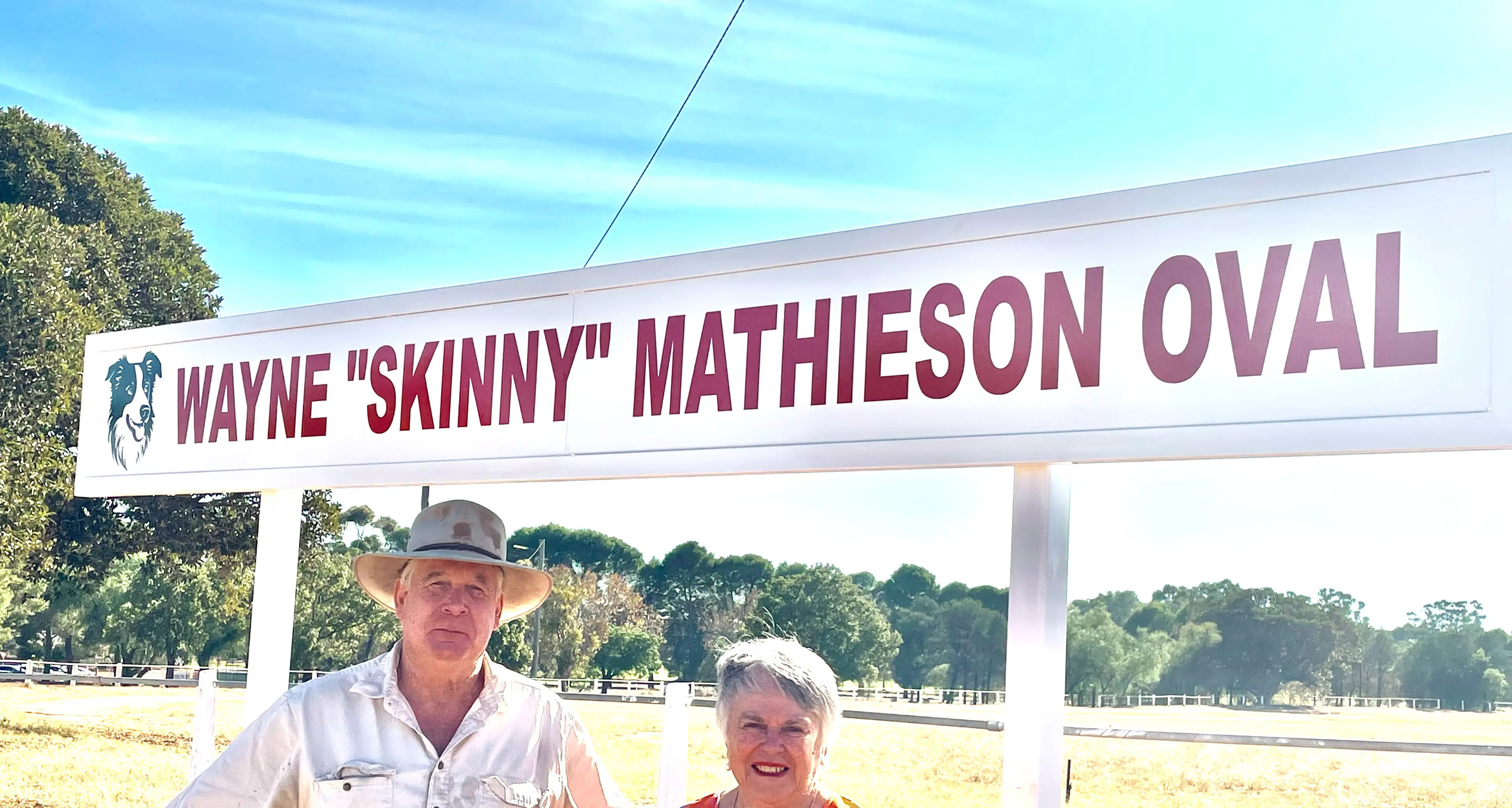
There are close to 40 monitoring stations in southern Australia, worth about $600,000. Community volunteers help maintain the stations and report dust activity in their area.
The contribution of the volunteers saves the project about $400,000 a year.