PHOTO
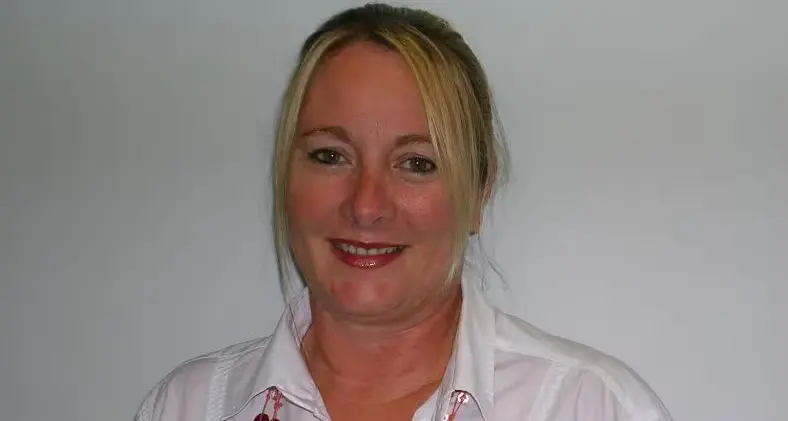
Murray MP Helen Dalton has urged the NSW government to take proactive steps to protect the Riverina’s chicken industry after a Greater Crested Tern found dead in the nearby town of Wentworth tested positive for H5 bird flu.
Found near Narooma were the first H5 detections in native Australian birds in New South Wales.
The arrival of H5 in Wentworth is significant because it is the first detection in the Murray-Darling Basin.
H5 bird flu is a dangerous strain of avian influenza that has caused major deaths among poultry and wild birds overseas.
Australia recorded its first detection on the mainland in June, in a migratory seabird in Western Australia.
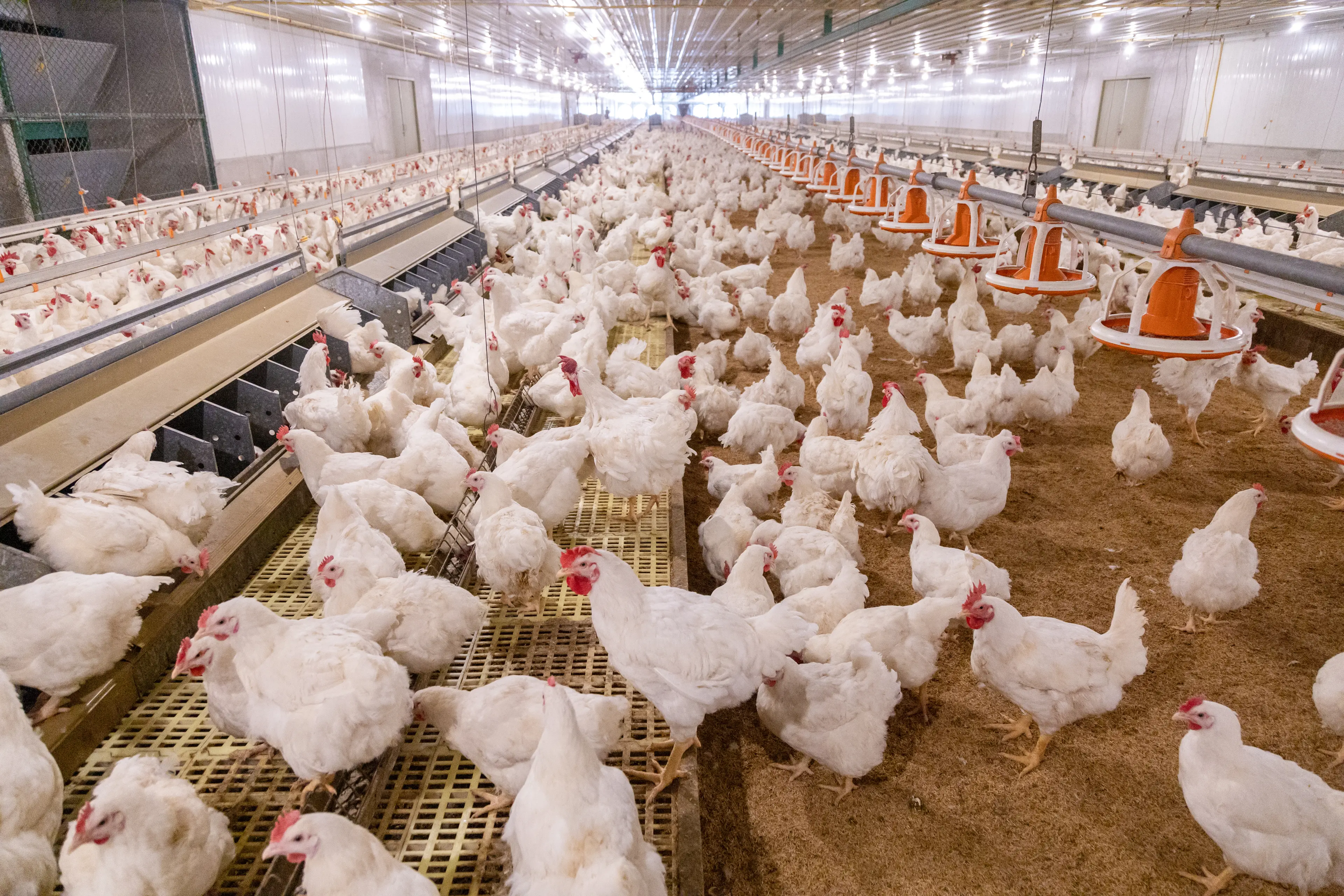
“There are more than 500 chicken sheds around Griffith and a processing plant at Hanwood that hundreds of local families rely on, so when a seabird carrying H5 turns up dead on our river, the Riverina needs more from Sydney than an assurance this is being monitored,” Mrs Dalton said.
There have been no detections of H5 bird flu in commercial poultry in Australia, with authorities continuing to urge producers to strengthen biosecurity.
The NSW chief veterinary officer has recommended poultry producers house free-range birds indoors where practical and increase biosecurity measures.
Local bird farmers want financial help to quarantine their flocks and put up barriers to keep wild birds away from their sheds.
“Our bird farmers are being asked to carry the cost of a national biosecurity problem on their own books, because every grower here is being told to lift their game while the government keeps its wallet in its pocket,” Mrs Dalton said.
She said more needs to be done to protect the Riverina.
The NSW MP has asked Agriculture Minister Tara Moriarty and the NSW Department of Primary Industries and Regional Development whether wild birds around the district’s channels and wetlands are being sampled, whether every commercial farm in the region has been moved to a higher biosecurity level and what would happen to Hanwood if one farm returned a positive result.
The NSW Department of Primary Industries and Regional Development (DPIRD) said:
“Governments and other partners work together … with response activities to include continued surveillance, investigation, technical assessment, emergency conservation action where needed, and engagement with wildlife, animal health, environment, public health and industry partners,” a spokesperson said.
“DPIRD is reviewing all reports of sick or dead wild birds carefully and assessing them based on factors such as the species involved, the number of animals affected, the location, and the likelihood of disease risk.
“While not every report of a wild bird will result in it being collected or tested, every report contributes to our understanding of wildlife health across NSW and helps us monitor signs of disease.”
Mrs Dalton said Riverina residents should not start avoiding eggs for breakfast or chicken schnitzel.
“The government’s own advice is that bird flu is not a food safety risk in chicken or eggs when they are handled and cooked properly, so keep buying local chicken, because our growers have done nothing wrong,” Mrs Dalton said.
Authorities continue to advise people not to touch sick or dead wild birds and to report sightings to the Emergency Animal Disease Hotline on 1800 675 888.