PHOTO
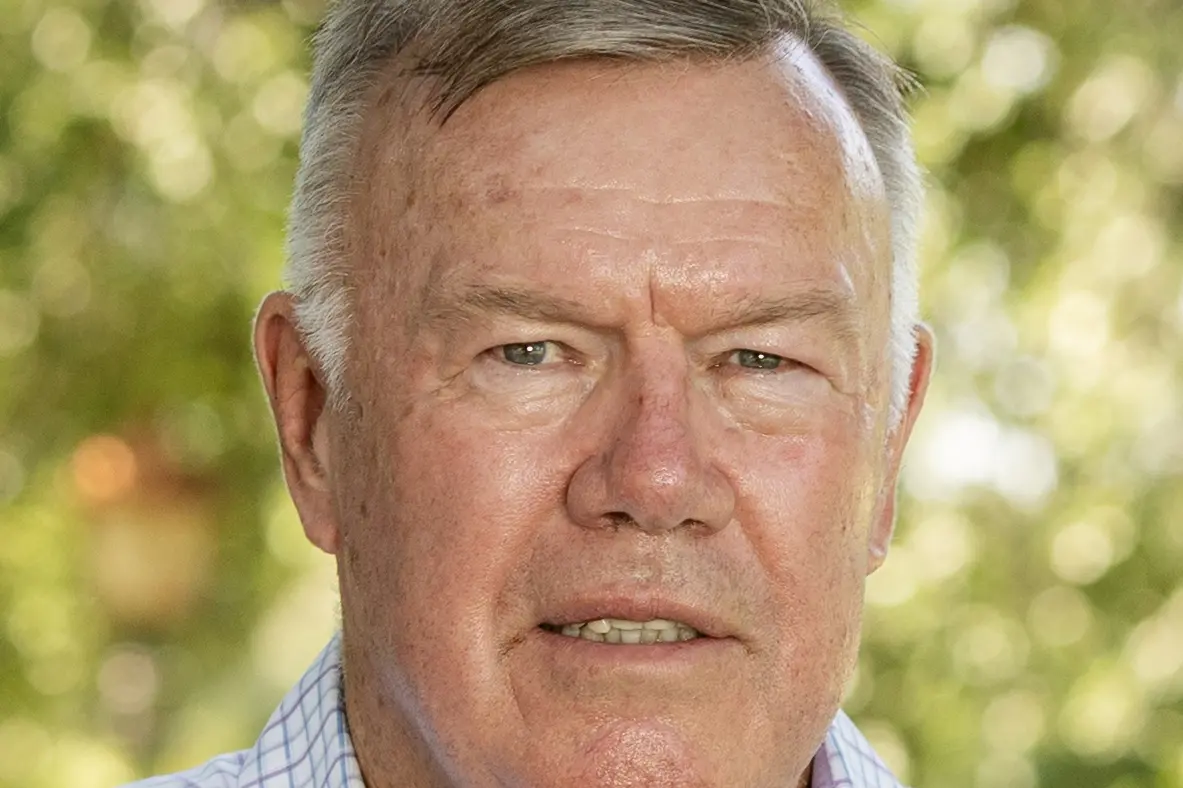
Labor’s announcement of yet another massive Southern Murray-Darling Basin water buyback is a direct attack on Australian families already buckling under the cost of living, according to One Nation Member for Farrer David Farley.
“Labor is compounding $430m of debt onto the nation’s $1 trillion of debt to take water away from food production, and every dollar of that debt and every litre of that water gets passed straight back onto families at the checkout,” Mr Farley said.
“This is debt-funded de-industrialisation that Australian households will pay for twice, once through their taxes and again through their grocery bill.”
Mr Farley said water should be a sovereign asset used to secure the nation during periods of drought, keeping food affordable and supply secure for Australians.
“That water should be growing crops, underwriting food processors, supporting freight and keeping food production running so prices stay within reach of ordinary families.”
Mr Farley said Labor and the Greens have driven a wrecking ball through regional communities, workers and families who depend on the Basin's economy. “At every opportunity Labor and the Liberals take more water out of production.”
“The southern Basin grows about 40 per cent of the nation’s food, yet it has already given up 82 per cent of the water for the environment under the Basin Plan,” Mr Farley said.
“Now Labor is back for more, taking more water out of production which will push food prices even further out of reach for struggling households.”
Mr Farley said the consequences of Labor and the Liberals water policies land squarely on the family budget.
“You do not make groceries cheaper by making it harder and more expensive to grow food in your own country.”
Mr Farley said the buybacks leave family budgets more exposed when conditions turn dry.
“Taking water out of farming now weakens the buffer in the food supply chain and pushes prices higher when dry conditions hit.”
“When drought bites, that reduced capacity drives up the cost of food for every Australian family.”
Mr Farley said One Nation will fight to turn the disastrous Murray-Darling Basin plan into a building water security and capacity plan.
“We will fight to protect Australia’s food and fibre supply and the industries that keep regional communities running,” Mr Farley said.
“That means building more dams, increasing affordability of everyday essentials, and securing jobs.”
Mr Farley said that if the 2007 Water Act review, the 2026 Basin review and the national food security work were not being set up as foregone conclusions, Labor would have waited for their findings instead of rushing into another buyback that struggling families and farmers will pay for.
“You do not ease the cost of living crisis by taking productive water away from the people who grow the nation’s food.”
“Australian families should not be sacrificed to satisfy the Labor, Liberal and Greens failed water ideology,” Mr Farley said.
One Nation will always put Australian farmers and families first.
FOOTNOTE: The federal government has spent more than $430 million buying back almost 86 gigalitres of water for the environment under the Murray-Darling Basin Plan.
The deal involves a company associated with an Australian superannuation fund selling water entitlements to the Commonwealth.
The purchase has drawn criticism from politicians and farming groups, but environmental advocates say recovering environmental flows is essential to restoring the health of Australia's largest river system.
The deal involves a company associated with an Australian superannuation fund selling almost 86 gigalitres of water to the federal government for environmental use.
The Commonwealth has spent more than $430 million acquiring the water as part of efforts to recover water under the Murray-Darling Basin Plan, taking environmental water recovery to more than 380GL towards its 450GL target.
The purchase has drawn criticism from politicians and farming groups who argue productive water is being removed from agriculture, while environmental advocates say the recovery is essential to restoring the health of Australia’s largest river system.