PHOTO
66670.0
A survey of farmers in southern NSW, undertaken by FarmLink Research, has revealed the full extent of the input supply crisis facing agriculture, with nine in 10 saying they do not have Urea fertiliser on farm, with the majority yet to secure a contracted delivery.
The online survey closed on Sunday, 19 April and the results are drawn from operations ranging from 160 to 20,000 hectares, and reveal an industry caught between surging input costs and flat commodity prices, with consequences that could ripple well beyond the farm gate.
The survey was aimed at seeking comments directly from farmers that are affected by what is happening with the availability of Urea and diesel as the sowing season approaches.
FarmLink, a not-for-profit agricultural research and extension organisation that is based at Temora in southern NSW and is owned by farmers, undertook the survey to bring real time research into the effects of the war in the Middle East is having on farmers in the local region.
It revealed nearly 80 per cent are facing input cost increases of 20 per cent or more compared to last year, in a season where margins were already very tight before the crisis occurred, with more than half describing the impact as placing ‘significant pressure’ on their farming operation.
The results show a level of uncertainty rarely seen at this point in the season.
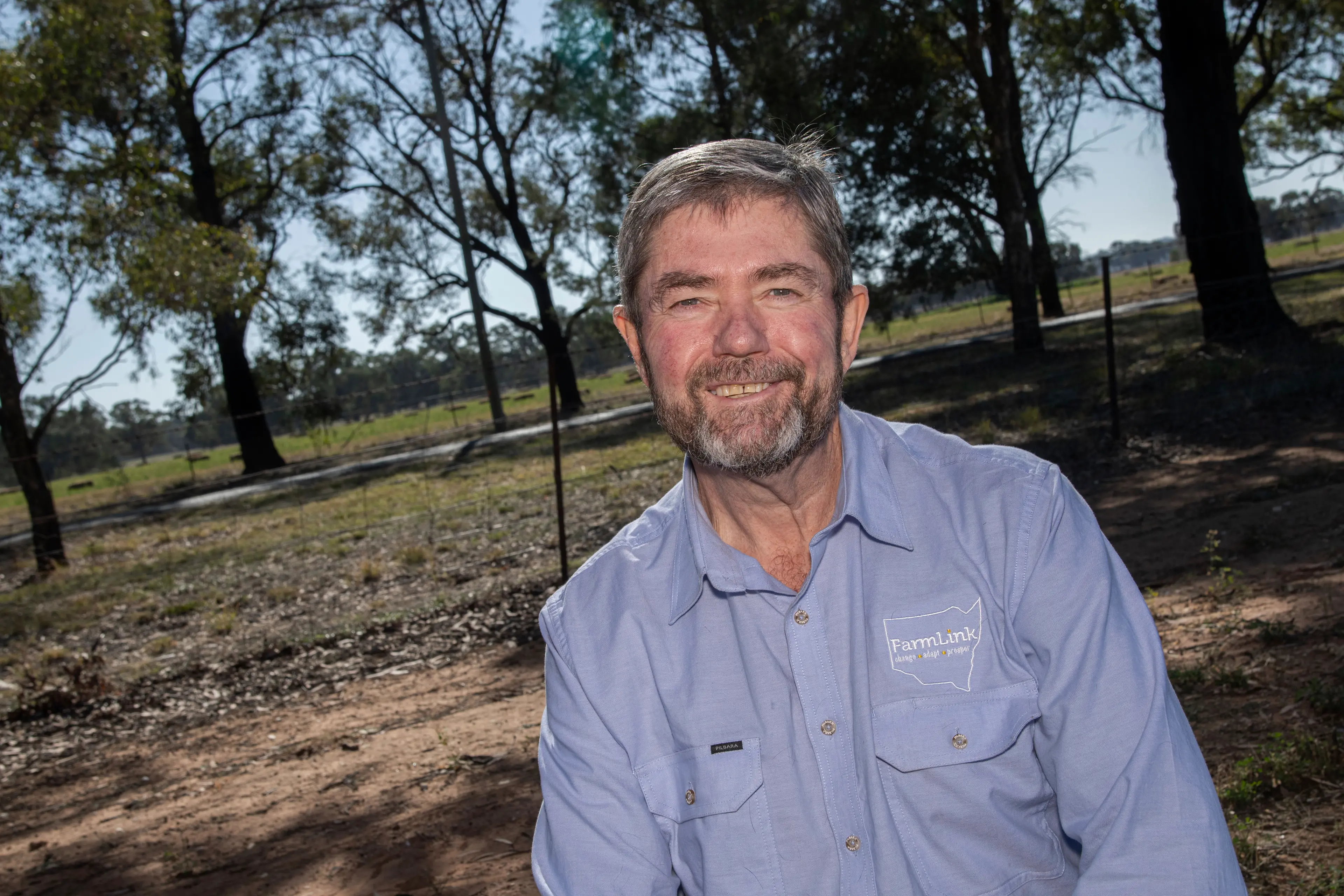
FarmLink CEO Shaughn Morgan said, "What this survey tells us is that farmers are heading into the 2026 planting season without the inputs they need, and without certainty about when or whether they will arrive”.
“When nine in 10 respondents don't have Urea on farm and the majority haven't been able to contract a delivery, that is not a supply chain under pressure, that is a supply chain that is failing the people who depend on it," Mr Morgan said.
“The cost of diesel, the theft that's going on, it's all impacting very heavily upon the whole concept of food security and at the end of the day, when the consumer, the customer goes to the back of a supermarket aisle to pick their milk and have their food basket of goods, we want to make sure that that continues to be there into the future.
“The only way we're going to do that is to make sure government and opinion makers know that they have an obligation to ensure that the farming sector is able to do what it does best, provide food for people within the community, for their table or for meals.”
Urea is causing more concern than the availability and cost of diesel according to the results with 90 per cent of respondents not having any on farm as the 2026 planting season approaches and between 60 and 65 per cent not yet contracting a delivery.
The cost of Urea has almost doubled with one farmer contracted Urea in January at $830 per tonne, only to be quoted $1,480 per tonne weeks later which has forced a rethink of the cropping program with a move away from nitrogen dependant crops.
With the rewriting of planting programs several have abandoned plans to sow nitrogen-intensive crops such as canola.
Diesel supply is still a significant factor with only 20 per cent of respondents indicating that they have full diesel levels and nearly 60 per cent uncertain of being able to secure diesel going forward.
The unavailability of both Urea and diesel is the biggest concern with more than 70 per cent of respondents indicating this is above input costs as a cause for concern.
However, input costs are having an impact with nearly 60 per cent of respondents saying that costs are putting significant pressure on their businesses and nearly 20 per cent indicating that it is threating the viability of their businesses.
FarmLink Chairman Rob McColl said, “the findings require an urgent and ongoing collaborative response from industry and government, as these are not small or marginal operations, these are established farming businesses telling us that they are under significant pressure."
“The combination of input costs rising sharply and supply that simply isn't there is creating conditions that put the 2026 harvest at risk.
“FarmLink will be taking these findings directly to government and industry to ensure the voice of our members are heard,” Mr McColl concluded.
For the complete survey results please visit our website www.farmlink.com.au