PHOTO
Although it was a drier-than-usual June, early July rainfall has helped give Narrandera’s cropping season a strong start, although forecasts of a drier spring are keeping many farmers wary.
A total of just 18mm of rain fell in Narrandera during the first month of winter in June across 15 rainy days, well below the town’s median June rainfall of 32.4mm.
On average, Narrandera experienced rainfall over 10.7 days in June.
Despite numerous rainy days, last month was well short (almost 100mm less) of the town’s wettest June on record, when 118.5mm fell in 1991.
The Australian Bureau of Meteorology (BoM) notes the median rainfall figure is generally considered the best indicator of typical conditions because it is less affected by isolated extreme rainfall events than the average.
However, boosting local crop growers’ confidence, heavy rainfall last week totalled 40mm in the first four days of July.
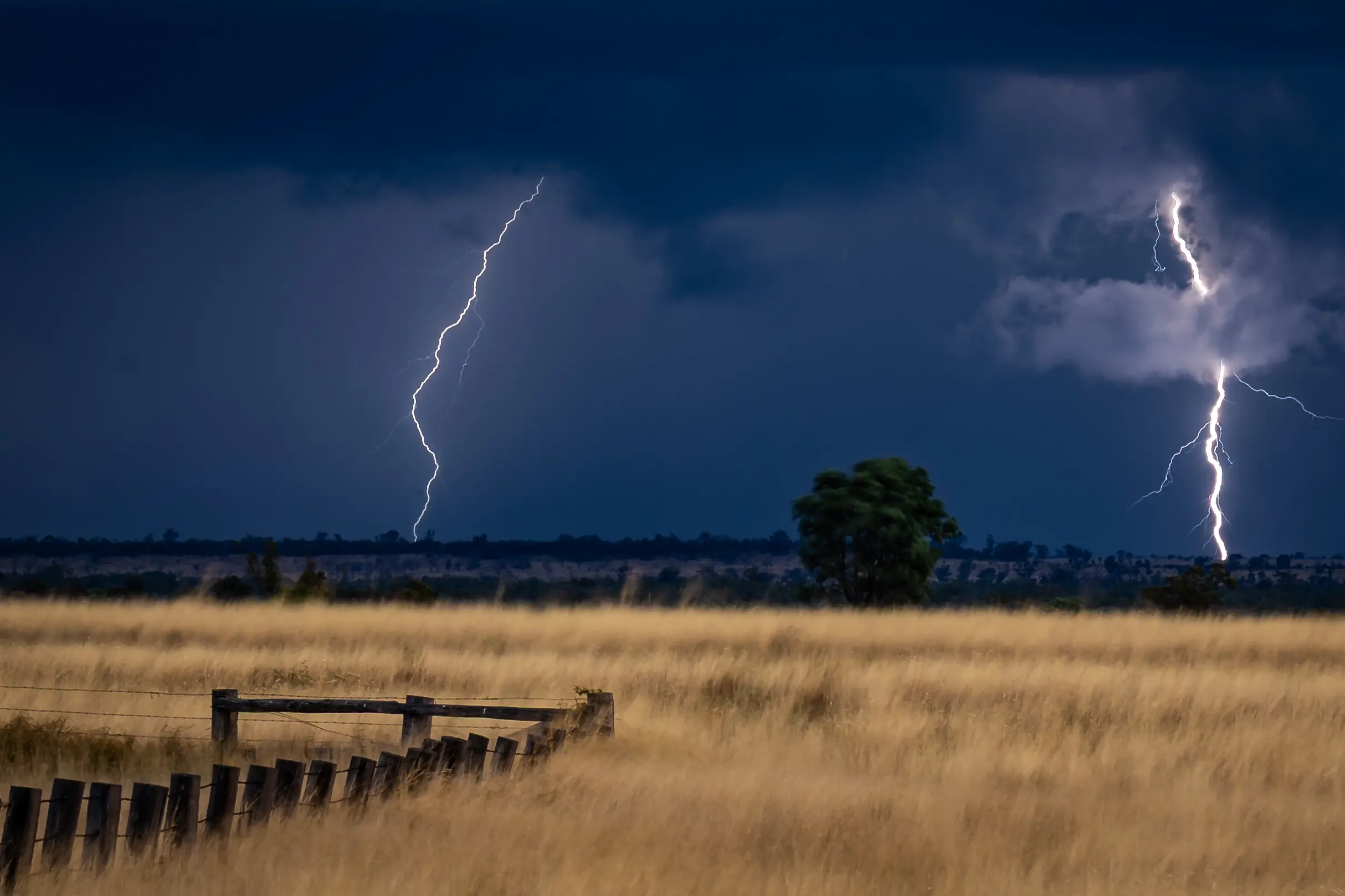
During some wild weather, 32mm fell in Narrandera on 2 July, compared to the wettest-ever July day, which was on 1 July 1999, when 45mm fell.
Although it’s early July, rainfall in Narrandera has almost reached the halfway point of the town’s wettest-ever July in 1981 when 82.7mm fell during that month.
Last week’s drenching has further boosted soil moisture for crop growers heading into the rest of winter.
Winter has also been relatively mild so far, with Narrandera experiencing not a single minimum temperature below freezing during the first month of the season.
BoM is forecasting below-average rainfall and warmer-than-average winter temperatures across the Riverina as a developing El Niño pattern takes hold.
While further winter rain is still expected, overall rainfall totals are predicted to be lower than historical averages.