PHOTO
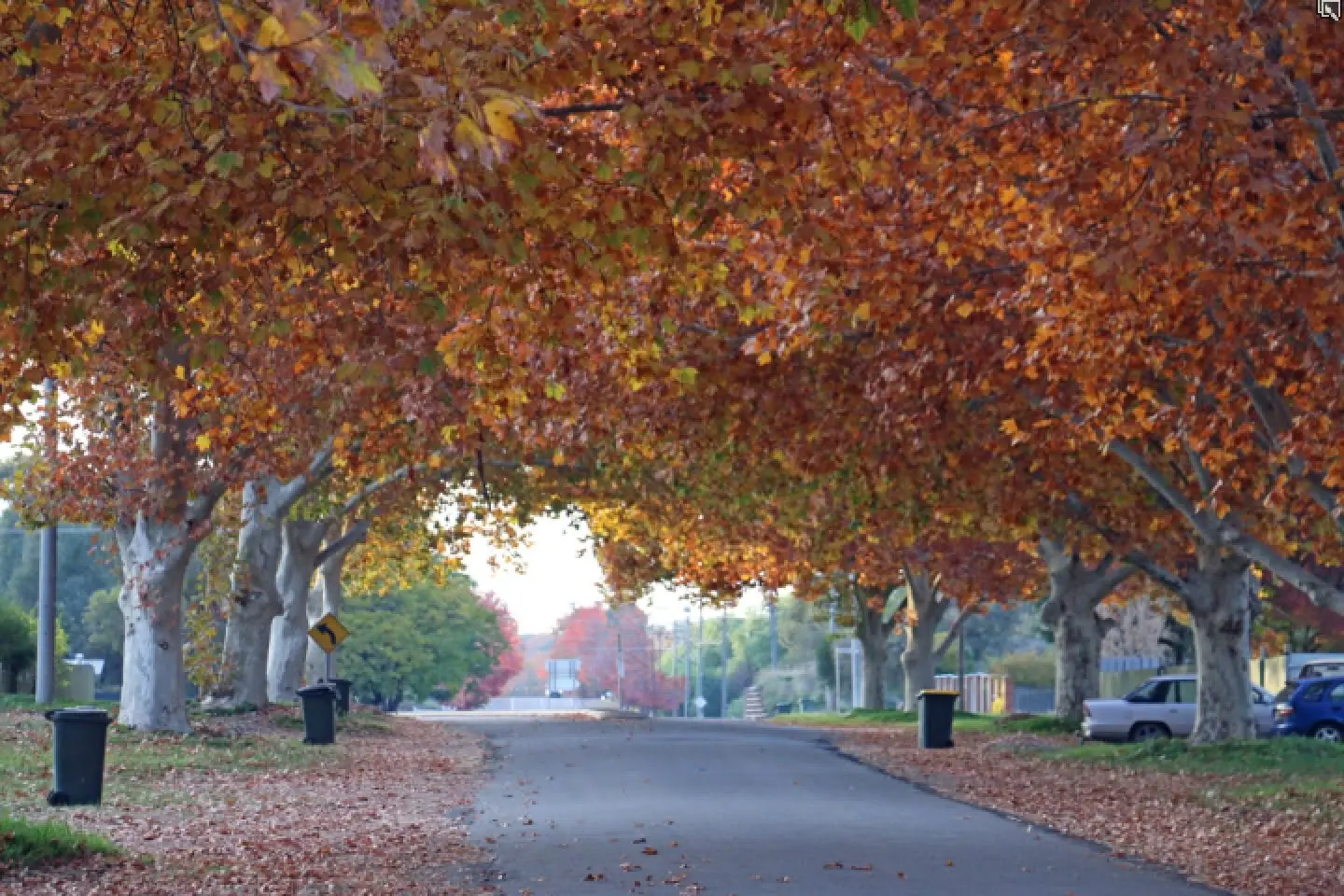
The iconic catchphrase in the popular TV series Game of Thrones – “winter is coming” – is timely as we farewelled autumn last week, as the first day of winter dawned.
Autumn has been a season of extreme temperatures in Narrandera.
Figures from the Australian Bureau of Meteorology (BoM) station at Narrandera revealed that this autumn had locals reaching for both fans and flannelette sheets.
It started with some scorching heat ranging from the low to mid 30s on many days in March, but the thermometer took a dramatic dip in May, on a few days when the mercury dropped to just a handful of degrees above freezing.
March delivered Narrandera this autumn’s warmest day on 11 March, when the temperature soared to a maximum temperature of 36C - 5.9C lower than the warmest ever March day on record, when the temperature peaked at 41.9C on 19 March, 2023.
However, on 19 April, the minimum temperature plummeted to a chilly 0.1C - this autumn’s coldest day.
The coldest maximum temperature this autumn was recorded at 13.5C on 7 May.
Narrandera experienced a warmer than usual May this year, with the average maximum temperature coming in at 20.1C – 1.1C warmer than the overall average maximum temperature for May since records began, which is 19C.
Narrandera’s warmest maximum temperature in May this autumn was recorded at 27.9C on the first day of the month.
The average minimum temperature for this May at 9.8C also confirmed it was a warmer month than normal.
Narrandera’s coldest ever May was in 2011 when the minimum temperature averaged 3.8C which is an average of 6C cooler than last month.
Regarding autumn rainfall, rain clouds made only the briefest of appearances during the season’s 92 days in Narrandera.
It was a dry spell that left paddocks parched and rain gauges mostly empty.
A total of 112.6mm of rain fell on Narrandera on 22 separate days throughout the 92 days of autumn.
58mm was recorded over 10 days in the first month of autumn in March, just 4.8mm on a single day in April and 49.8mm over 11 days in May.
Narrandera’s wettest autumn day this year was on 3 March when we were drenched when 27mm fell.
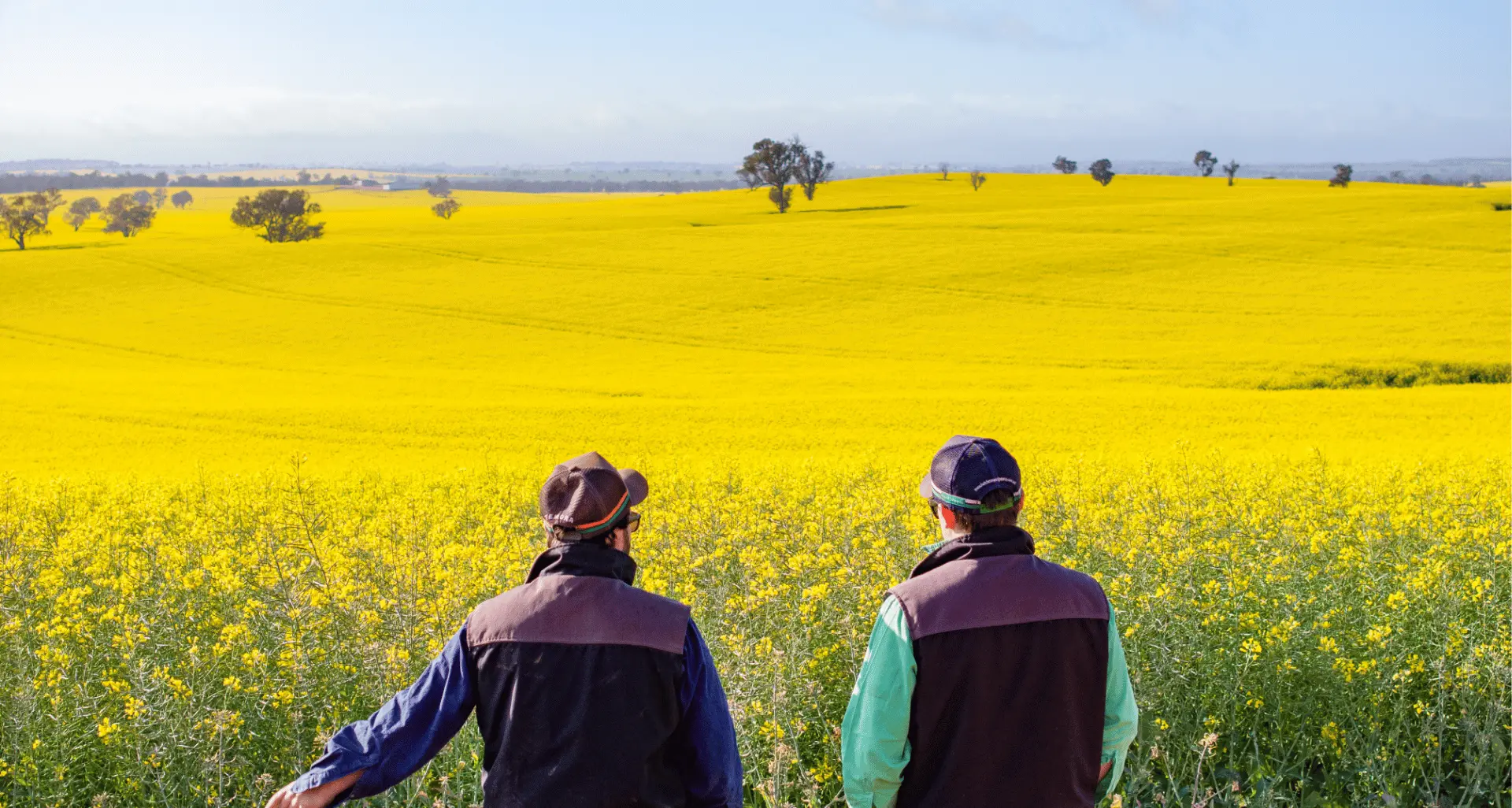
Recent rainfall came as a timely boost for the shire’s farmers and overall autumn rainfall gave local crop growers some confidence about getting some crops in the ground.
Despite some extra curve balls being added to crop growers’ reliance on the weather, such as the touted fuel shortage and price hike, then a fertiliser shortage, particularly urea and it's increasing cost, as well as the forecast of an El Niño event by spring, with some forecasters calling it a Super El Niño, most local farmers decided to start sowing after some good rainfall during March, then decent rainfall last month.
Forecast weather conditions for the next several days should benefit crop growers as the days appear to be frost-free, with most days hovering around a minimum temperature of about 6C.
There is also the chance of an odd sprinkling of rain.
The BOM long-range forecast for June to August predicts that rainfall is likely to be below average, with daytime and overnight temperatures to be above average in the Riverina.