PHOTO
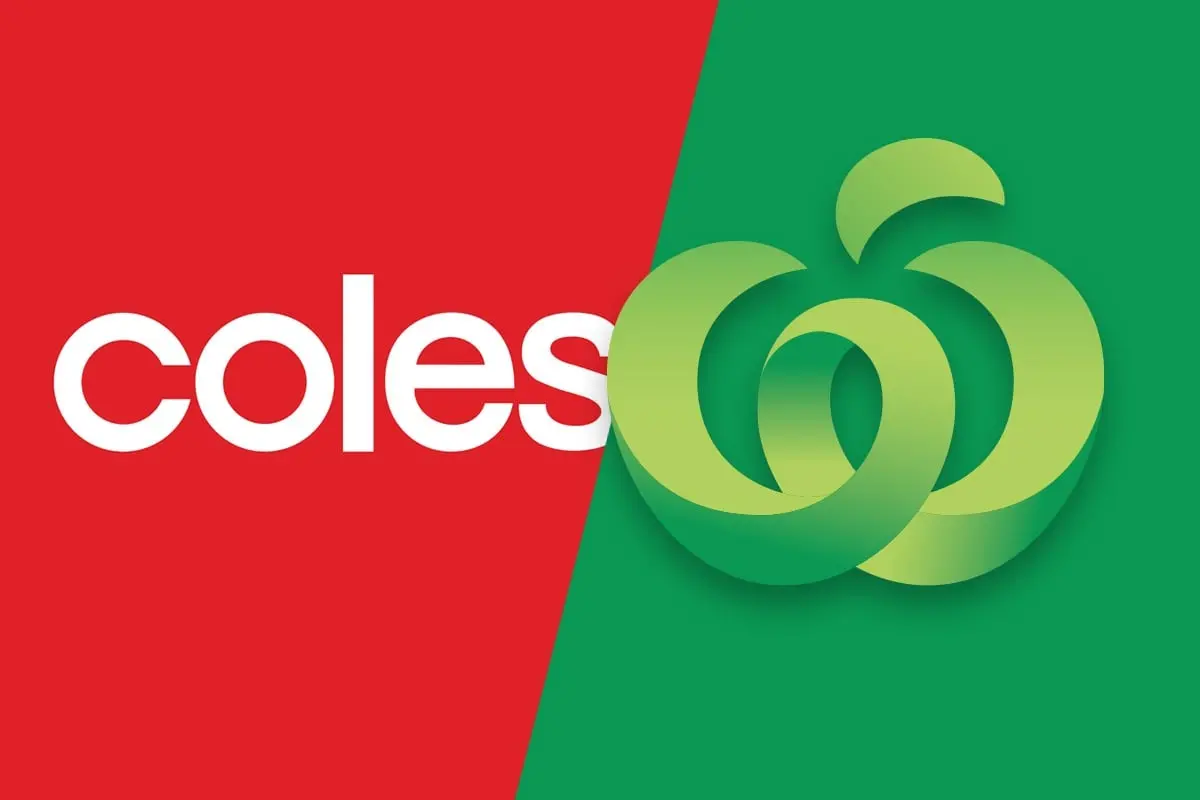
Supermarkets have come under fire and scrutiny as the cost-of-living crisis coincides with an upswing in profits for the big two, the duopoly of Coles and Woolworths.
Now NSW Farmers is strongly urging the supermarket giants to help cover the soaring costs of getting food from farms to families.
The fuel crisis is adding to the pain, and it is not only households that are feeling the pinch at the bowser.
Dairy farmers and fruit and vegetable growers were being squeezed hard by high diesel prices, NSW Farmers vice president Bec Reardon warned, and action was needed from the major supermarkets.
“Whether it’s milk heading to the processor or potatoes and apples being trucked to supermarkets, farmers pay the transport costs to get that food off the farm,” Mrs Reardon said.
“When diesel prices shot up, the cost of transporting that food shot up as well – and farmers are the ones picking up that bill.
“We know the trucking companies are copping it badly as well, and that’s why we need the big end of town to support the supply chain.”
Mrs Reardon said farmers had no ability to pass the increased fuel costs on, leaving their profit margins slashed.
“Farmers don’t get to put their prices up when costs rise," she said.
"We’re hearing from dairy farmers and vegetable growers whose effective take home pay is being eaten away because they simply can’t absorb these fuel costs.
“At the same time, families are also feeling the pain at the bowser and the checkout with the cost-of-living crisis.
"We’re very mindful of that, and no one wants to see grocery prices spiral further.
“This is precisely why supermarkets needed to step up.”
According to the Australian Competition and Consumer Commission (ACCC) Coles and Woolworths are some of the most profitable supermarket retailers in the world.
A report released after a one year long enquiry, in March 2025, concluded that three biggest players of Woolworths, Coles and Aldi have increased product margin over the previous five financial years.
The enquiry also found that Coles and Woolworths often have monopsony power over suppliers acquiring fresh produce and fresh produce growers often do not have the information or certainty they need to make efficient investment decisions with some suppliers’ dependence on Coles and Woolworths, this means they take on extra costs and risk.
Mrs Reardon said the major supermarket chains made multi-billion dollar after tax profits year after year – among the highest in the world – and could afford to open their wallets a little.
“Helping cover transport costs would keep farmers farming, keep truck drivers moving, and the supermarkets could do it without pushing even higher prices onto the families who rely on affordable food,” she said.
“We don’t want to see the price of milk double at the supermarket, but we also don’t want to see a dairy farmer go broke because she can’t afford to send her milk to the processor.
“If we’re all in this together – as the Prime Minister keeps saying – then the supermarkets need to do their bit too and help the farmers get the food they produce to the shops.”